Boarding the boat
Read the boarding photos in the order you will use the transfers. The name of the pier, the gap to the deck, the number of steps and the handholds are more useful than the word “accessible” in a listing. When a crew uses a smaller tender, there is a second step between vessels. The tide can change the height of the step on the way back to the boat even if the crew uses the same landing.
A wheelchair or walking aid has to fit on the actual boat and any tender that serves it. A passenger who can transfer needs a firm handhold and someone able to help on the assigned vessel. Room to turn a chair on deck and somewhere to secure it matter even on a boat with a wide cabin entrance. Toilets may be on another deck or down steps from the passenger seats, so the route inside the boat matters as much as boarding.
The Indonesian Sea Transportation Directorate tells tourist-boat operators to provide life jackets for passengers. Both the UK and Australian advisories flag the availability of children’s sizes. Fit each child with the jacket they will use before the boat leaves the pier. A pram can stay with the hotel if storage is available. A carrier that is comfortable on land still needs a boat transfer the crew can handle.
| Stop | Published example | What to verify for your group |
|---|---|---|
| Padar viewpoint1 | 10–40 minutes for the ascent in the tourism board's guide | Steps, handholds and a place to wait at the bottom |
| Short dragon walk2 | About 1.5–2 km in the park plan at either ranger landing | Actual walking distance on the day and a safe place to stop |
| Loh Buaya visitor area3 | Elevated visitor path | Boarding, pier transitions, steps and accessible toilet on your route |
| Boat ride4 | Life jackets sized and provided for passengers | A suitable jacket for each child or adult before departure |
Choose what to do ashore
Rinca and Komodo Island
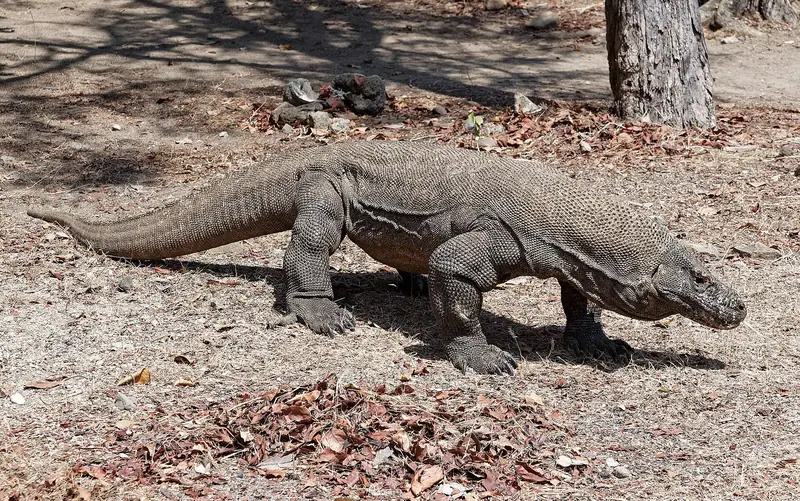
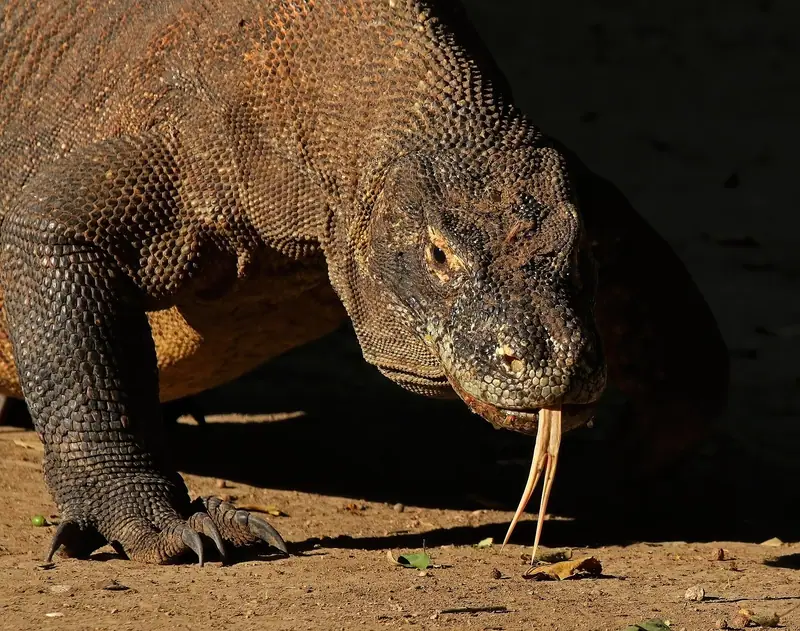
Loh Buaya has a visitor area beside the dragon habitat. Indonesia’s report to UNESCO describes the raised path as part of efforts to let dragons move through the valley and limit contact with people. The park plan records a short walk of about 1.5–2 km and a medium walk of about 3–3.5 km. These are route examples. The ranger decides where a group can go on the day, including whether you can remain near the visitor area. The difference between this area and Loh Liang is laid out in Komodo Island or Rinca.
A dragon stop includes time to leave the boat, meet the ranger and return to the pier. A short stop on a shared circuit may leave time for the short route only. A child who needs a break or an adult who needs to sit in shade may need to allow more time for the walk back. If you pause, agree on a meeting point and stay in the areas the ranger identifies for visitors.
Padar and the beach
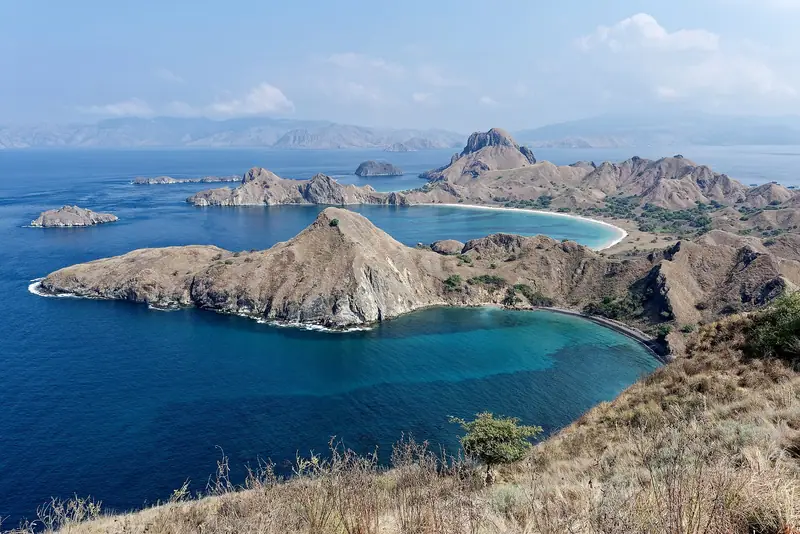
At Padar the tourism board gives 10–40 minutes for the climb to the viewpoint, with extra time needed to descend. The published estimates describe time on the path. A tour’s scheduled call also has to accommodate the jetty transfer and the walk back from your chosen height before the rest of the boat boards. Turning back on a lower section can work if the ranger agrees and the group has a place to meet. Shade and space to wait depend on the day and landing. The Padar viewpoint guide explains how the shore walk fits into a day boat’s schedule.
At a beach stop the main boat may need to stay offshore. The last stretch can involve a tender or a step into shallow water depending on the vessel, the tide and the beach. Soft sand takes more effort than a shorter route on firm ground. If two people share care duties, one can take a guided swim while the other waits with the child, provided the crew has agreed to keep someone on deck. The non-swimmer guide covers the dry parts of a park trip.
Plan a shorter day
Pick the activity you would be happiest to keep if the crew has to change the rest of the day. For someone who wants to see a dragon, that could be Loh Buaya or Loh Liang plus enough time to transfer comfortably. For a child who primarily wants to ride on a boat, a manageable first landing and predictable return may matter more. A shared cruise runs to a group schedule. Private operators can offer different routes, within the limits of the park and sailing conditions. As an example, the 5.5-hour Kelor, Manjarite and Kalong route has a hill or beach landing, a separate reef entry and a flying-fox watch from the boat at dusk. The listing excludes non-swimmers, even though the dusk stop itself takes place on deck.
Child fares use the age rules of the individual listing. Include children in the passenger details even if they do not pay an adult fare. For an older child who wants to swim, tell the guide how well they swim in open water. Choose a trip with enough crew to supervise both the group in the water and the passengers who stay aboard. Compare equipment, manifest and departure procedures in the boat safety guide.
Before you pay
Send your travel date, the children’s ages and the distance or steps each person can manage. For a wheelchair, give its dimensions and say whether the person can transfer. Ask for a single reply covering the assigned vessel, transitions from pier to deck and from tender to shore, the right jacket sizes, and a sheltered place to wait.
Get the reply while other departures are still an option and keep it with the tickets. A substitute vessel can have a different deck height, toilet or handrail even if the operator advertises it under the same trip name. At the park the ranger decides where groups can go. Choose a route whose fallback also meets your party’s needs if the intended landing is unavailable.
Boarding to shore
Begin with the pier that the assigned vessel will use. A useful boarding photograph shows where the passenger stands before the first step, where the foot lands next and what there is to hold. A wide cabin doorway tells you about the cabin. The transfer runs from the actual pier to the deck and can also include a smaller boat alongside as your party boards.
Once on board, walk the path between the seat, shade and toilet. Put water where a passenger who needs to remain seated can reach it during the crossing. Try each child’s life jacket on the actual boat while it is still at the pier. On an overnight trip the cabin may be on another deck. Walk the route from the cabin in daylight before using the same stairs or passages at night.
The shore decision starts again once you reach the named station. The raised path at Loh Buaya runs through part of the valley. The end-to-end route still includes the boat landing and any steps before you reach the path. On a longer loop, have the group turn back together if the ranger cannot accompany people separately. At Padar an uphill shortcut can still leave a steep descent, so pick a turnaround point each person can comfortably retrace.
At Pink Beach, the crew may use a wade or a tender. If reaching shore depends on someone being carried, choose the stop only if that passenger is comfortable with the transfer. For an open-water stop, passengers who are staying aboard should know where the crew wants them to sit. A departure with a shore break or a shaded deck suits the whole group if two consecutive stops involve water.