Rinca is a named stop on each itinerary. The private day boat lists two hours at Rinca before Manjarite and Kelor. The overnight cruise adds Komodo Island, while the hotel package returns to town between boat trips.
We may earn a commission if you book through these links, at no extra cost to you.
The seven-hour trip covers up to four guests and includes transfers, a guide, lunch and snorkelling gear. The seller lists Rinca entry separately at IDR 500,000 per person.
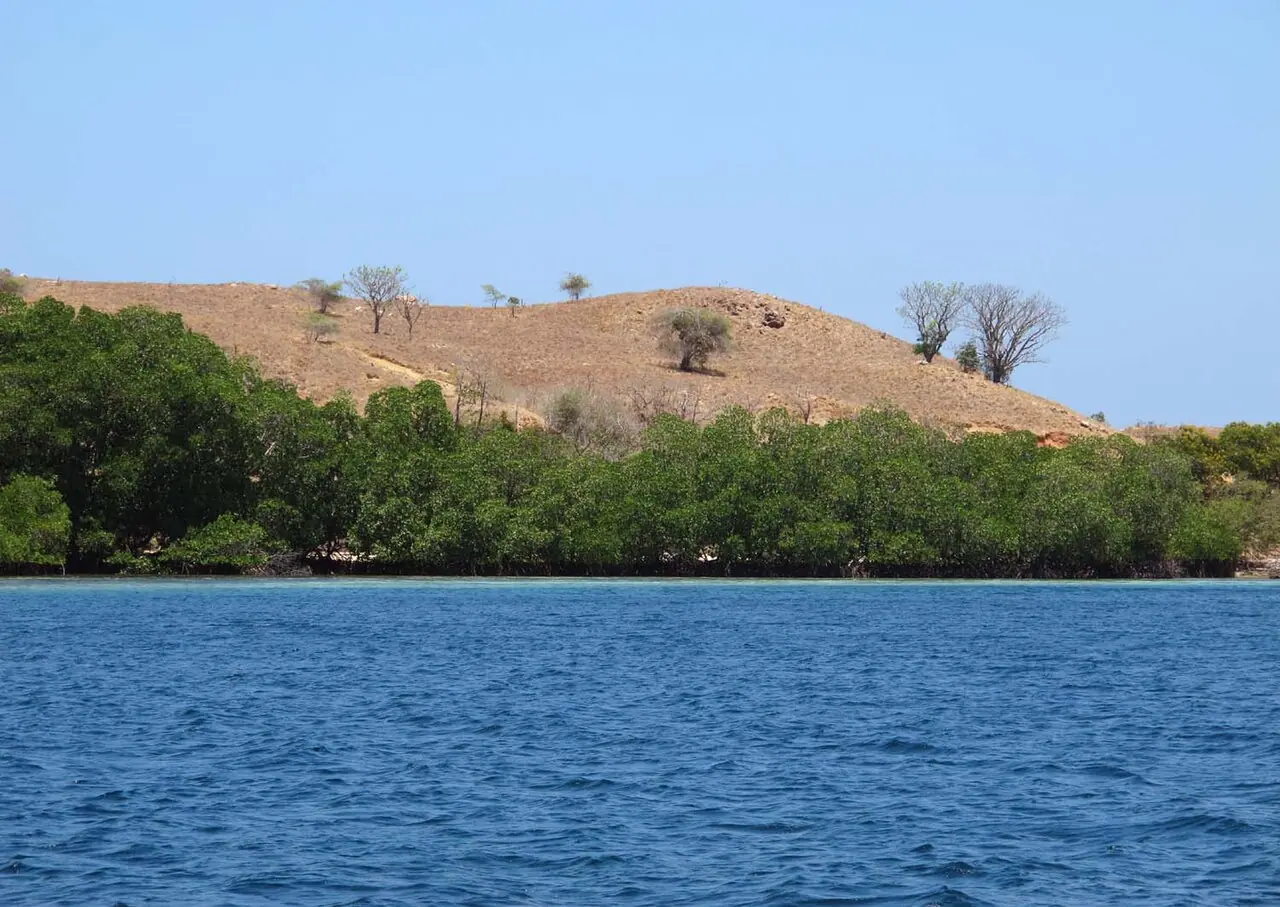
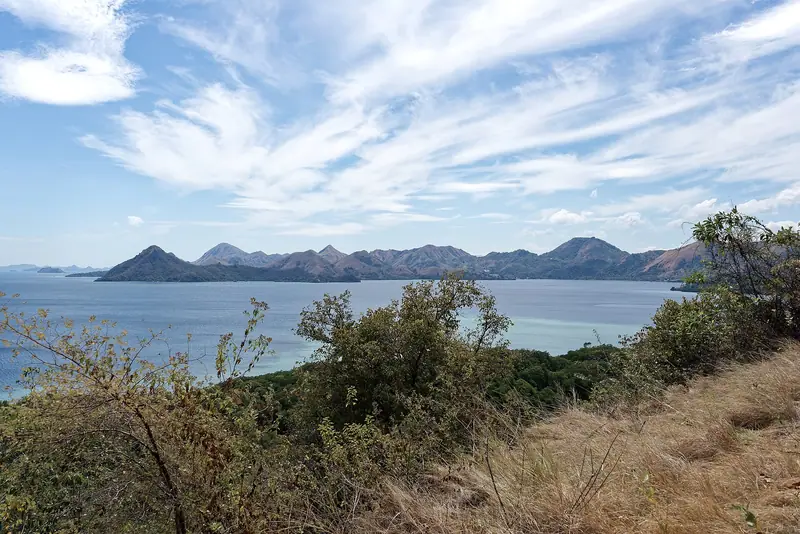
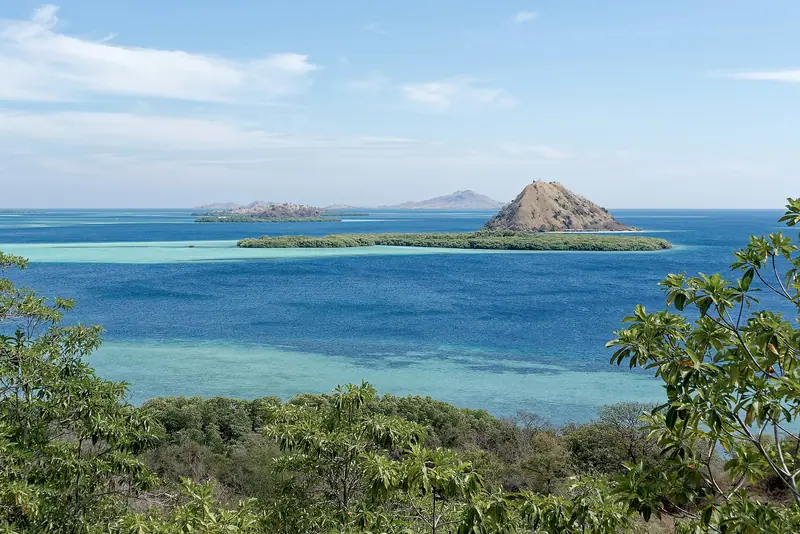
The ranger landing on Rinca is Loh Buaya pier at the mouth of the Loh Buaya valley. This is where Indonesia Travel describes checking in and meeting the ranger. The landing takes you into one of Rinca’s low coastal valleys. Look for the mangroves by the water and the dry hills rising behind them. You can see the first change in habitat before the trail begins.
Tell the crew at the booking stage if you need assistance between the boat and the pier. A boat can come alongside or use a smaller craft, depending on berth and conditions. An extra transfer can add steps and leave less time for the ranger walk. Take the reboarding time and collection point from the crew and pass them to the ranger before leaving. The park permits guide explains which records to bring for check-in.
Loh Buaya is the name to look for when the reason you chose the sailing is the ranger visit on Rinca. A boat description can name the island without putting the pier on its stop list. A trip can pass the island on the way to Kalong and still leave the valley out of the day’s plans. The Komodo Island and Rinca comparison explains how to compare the two named ranger stations.
What the raised walkway changes
The Indonesian environmental management plan filed with UNESCO describes a raised walkway through Loh Buaya’s visitor area. The aim was to keep space for dragons and other wildlife to move along the ground while people pass above. The valley still has exposed ground and vegetation around the buildings. Stay on the walkway and let the ranger select a place where the whole group can pause without blocking it.
A UNESCO and IUCN field mission photographed the raised path in 2022 and described it running from the jetty to the information centre. The mission also photographed Timor deer near the ranger facilities and water buffalo beside the path. On a short stop, the jetty-to-centre path introduces the ground beside the facility before the trails head towards higher land. The ranger can keep the visit close to the centre when conditions allow. A few minutes of looking across the lower ground can show why keeping the passage beneath the path open matters. UNESCO and IUCN field mission report
A compact visit around the facilities gives you time to look towards the valley floor as well as ahead to the hills. If a dragon is visible below, stay at the place the ranger gives you. Wait for a clear view from the allowed path and leave the walkway clear for other groups. If you’re with a child, keep them beside you near the viewing points and let the ranger decide when the group can stop.
For a lower-effort visit, the raised walkway and information centre are the closest named facilities to the jetty. The ranger can identify what is open, including benches or a place in shade, before the group begins a longer trail. A member of the group may want to see the valley without committing to a hillside walk. Check whether the ranger station can keep them with a guided group while other guests continue. For more detail on the transfer and the route back, use the family and access guide.
Loh Buaya ranger trails
Once you leave the low visitor area, the amount of sun, the trail surface and the climb matter more. Use the distances below to understand the terms “short,” “medium” and “long” when a listing leaves out the terrain. The historic short example includes both savanna and seasonal woodland. The short route in the plan is about 1.5–2 km and about an hour, excluding the boat transfer and briefing. The ranger decides which trails can be used on the day.
Loh Buaya route examples from the 2016–2025 park plan
Part of the visit
Published detail
What the figures cover
Short1
About 1.5–2 km and 1 hour, with views into savanna and seasonal woodland
The published hour describes the old valley trail. Allow separate time for pier access and check-in
Medium1
About 3–3.5 km and 2 hours through open savanna and seasonal woodland
The plan describes open savanna. The walk keeps the group outdoors about twice as long as the short route
Long1
About 4.5–5 km and 3 hours, with springs and broader views
The three-hour trail could take the whole Rinca stop on the sample private boat below
Adventure1
About 7–8 km and 5–6 hours through savanna and seasonal woodland
The walking time makes this a separate outing when the ranger has that trail open
Pier and elevated walkway2
Indonesia Travel places ranger check-in at Loh Buaya. The valley walkway was designed to allow wildlife to pass below
The elevated walkway is a separate part of the visit from the boat-to-pier transfer
Rinca and Kalong3
One private three-day itinerary lists 3 hours at Rinca before sailing to Kalong
The published island stop takes three hours. The itinerary then goes to Kalong for dusk
The 2016–2025 plan’s medium walk gives an idea of the time for a stretch through open savanna and into the trees. Its longer route also mentions springs and broader views. The park plan gives about two hours for the medium example and three for the long one. Set aside enough time to return to the pier inside the actual boat stop, especially where a route carries you away from the valley entrance. You may be waiting for the ranger to give another group room to pass, and exposed sections can go slower than the mileage suggests.
Indonesia’s 2024 parliamentary field report names Wae Waso and Golo Kode among the Rinca tracks. Golo Kode is the named hill to look for if a longer valley walk is your priority. The older report establishes it as a route, and the day’s ranger sets the available ascent. Bring water, a hat and shoes with grip off the boat for the parts of the trail in open sun. A wet hillside can take longer to descend, so leave enough time for the return as well as the climb.
Mangroves and hillsides
Indonesia’s assessment of the valley distinguishes monsoon woodland, including tamarind, from the open parts of Rinca. You can use those changes in cover to follow what the ranger is describing. Start by looking at the mangroves near the bay, then at how quickly the ground opens out. As the walk enters woodland, look across the edge of the trees for animals in shade. The 2024 field report names deer, buffalo, long-tailed macaques and birds among the island’s wildlife.
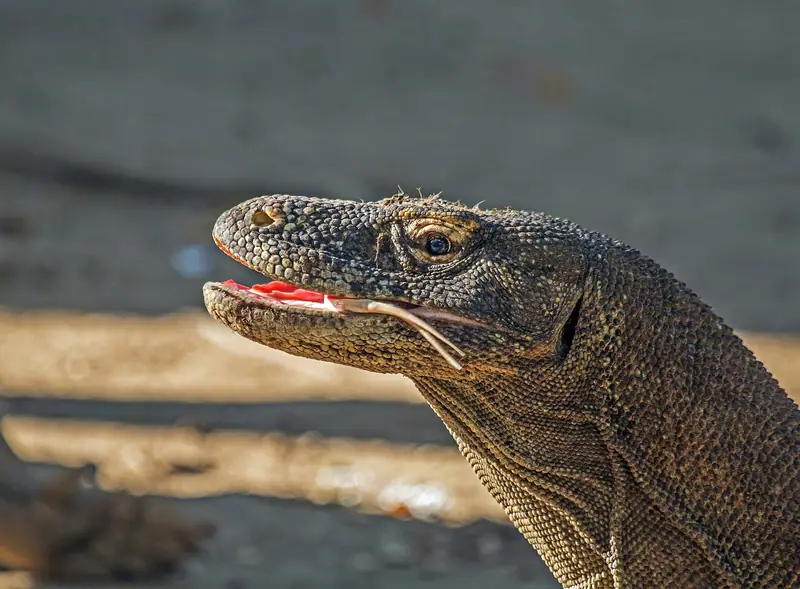
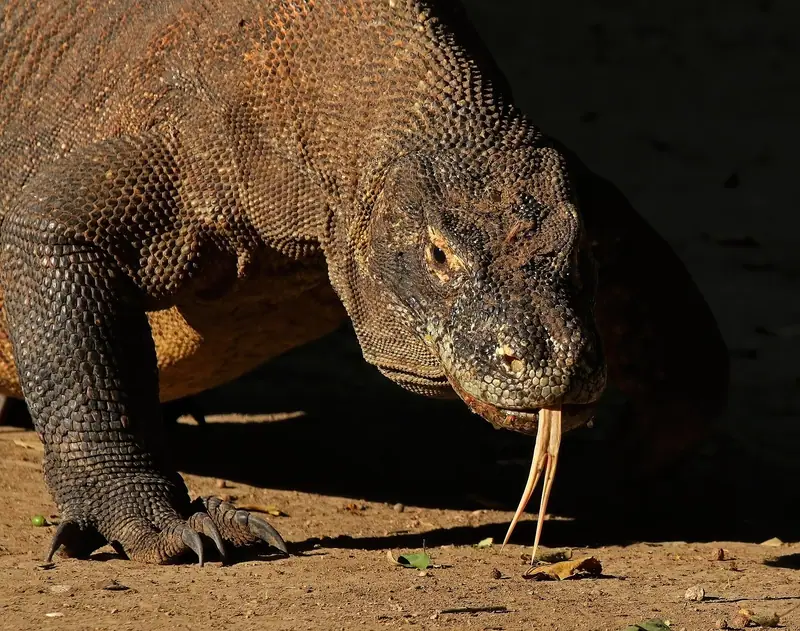
When a ranger points out a dragon’s possible path through the valley, give them time to explain where it has space to go. If an animal comes nearer than expected, stop where directed and follow the ranger’s instructions. For photos, take a wider frame that includes the open ground or woodland. It gives more context to the encounter and avoids the urge to move closer. If no dragon appears, the trail still lets you see how a large animal might move between areas of open ground and cover. The lower valley is the place to look when your ranger stops the group.
A late dry-season field study in Loh Buaya watched how dragons used sun and shade. Some of the smaller animals moved regularly between them. Larger animals were more sedentary and often remained in a small patch of habitat. Even on a short walk, the transition between sunny and shaded ground shows the two microhabitats the researchers compared. The study was about temperature and activity in the valley. Your ranger can talk through what the weather and animals are doing during your visit. Loh Buaya study of dragon temperature and activity
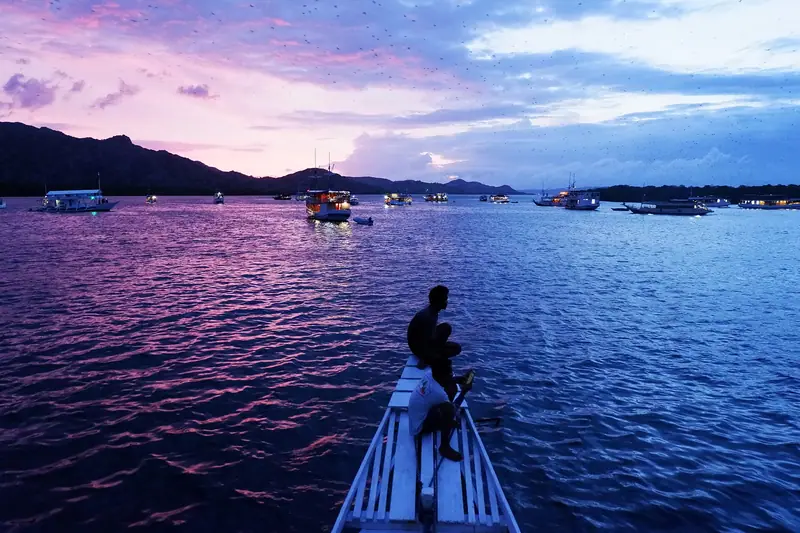
Rinca and Kalong at dusk
Rinca and Kalong can fit a single sailing leg. A boat trip may call at Kelor, land at Loh Buaya for a ranger visit and continue to the mangroves at Kalong before dark. The visit to Loh Buaya is time ashore. The flying foxes at Kalong are a separate boat-based stop. The period you have on Rinca depends partly on when the captain needs to reach the later stop.
The private day boat lists two hours at Rinca. A separate three-day private itinerary allows three hours at the island before sailing to Kalong. That is the whole stop as listed. The usable time on the trail depends on the transfer, ranger arrangements and return time. Even a listed three-hour stop gives less than three hours of walking after arrival formalities. The ranger trail needs to leave time to retrace your steps and reach the boat before it sails for Kalong. A visit close to the information centre leaves more of that time in reserve than a walk up into the savanna.
Some overnight routes name Rinca on the first day and Komodo Island on the next. The published private itinerary schedules Rinca on day one and Komodo Island on day two, with separate transfers and shore time at each. The admission charges are separate from its fare. If your trip calls at both, it may be worth using Rinca for the valley and the hillside, with the second visit reserved for a different habitat. If only Rinca matters to you, get that stop and the possible replacement plan in writing before paying.
Boarding and walking needs
A useful request is, “We want the Loh Buaya landing. How long will we have between meeting the ranger and boarding the boat again, and can half the group do a shorter visit?” Add any specific access question about the boat, pier or walkway. On arrival, tell the ranger when the crew expects you back. If the hillside route is unavailable, you may still spend the time by the information centre or follow a shorter open trail, as the ranger directs. Leave enough time to reach the boat even if the group pauses there.
Good to know
Questions about Komodo National Park
Where do boats land for the dragon walk on Rinca?
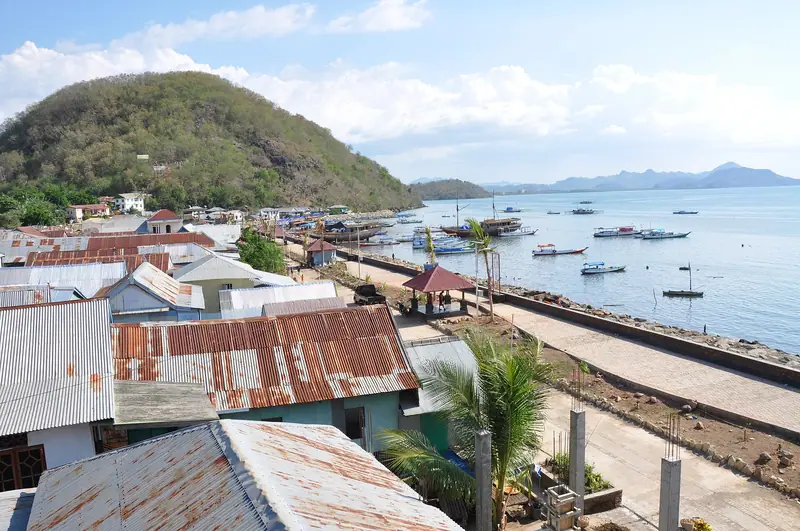
The usual visitor landing is Loh Buaya pier. That is the island landing for the ranger visit. The boat's meeting point in Labuan Bajo is a different place, given with the departure instructions.
Is the Loh Buaya boardwalk wheelchair accessible?
A raised path connects the jetty and information centre. That section is only part of the trip. The boat transfer and any steps elsewhere still determine whether you can use it. Check the exact section of the raised walkway you can use with the ranger on arrival.
Do I need the longer Rinca trail to see a dragon?
The short visit and a longer trail both take you into potential dragon habitat. The ranger can advise where to look from the route that is open. Sightings depend on animal movement.
What else can I see at Loh Buaya?
Look at the change from mangroves to savanna and woodland. Official descriptions also record deer, wild buffalo and long-tailed macaques on Rinca.
Can I see Kalong's flying foxes after visiting Rinca?
Some itineraries sail to Kalong after Loh Buaya. The bats leave the mangroves around dusk. A boat that continues to Kalong at that hour will either return to Labuan Bajo after the stop or stay out overnight, depending on the route.