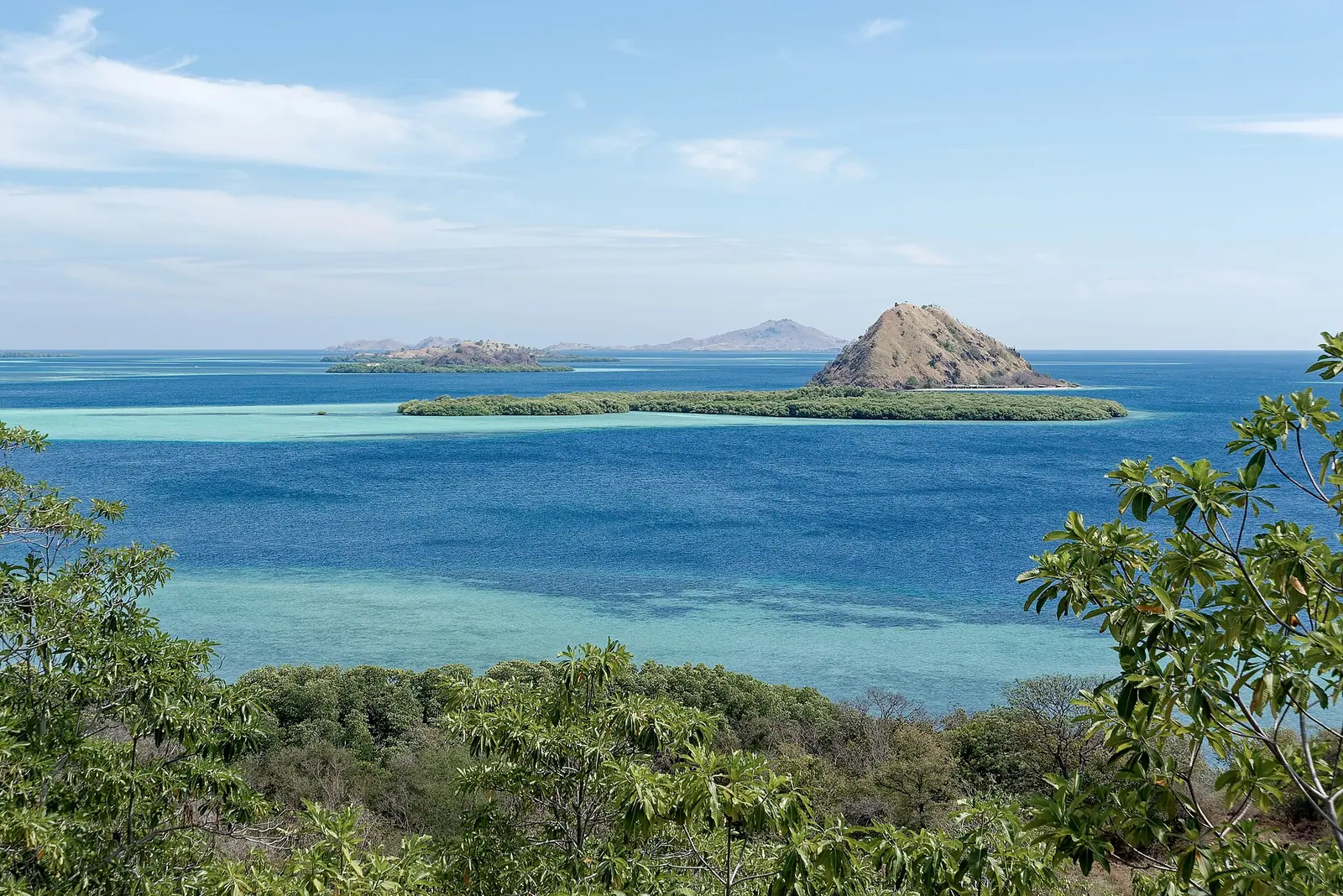
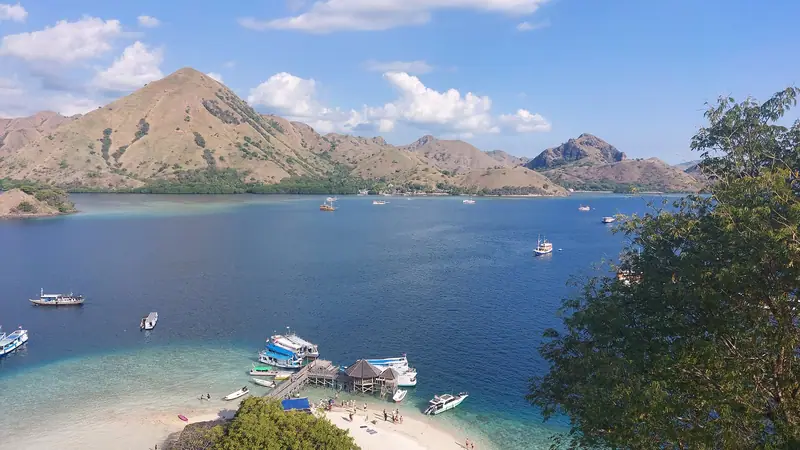
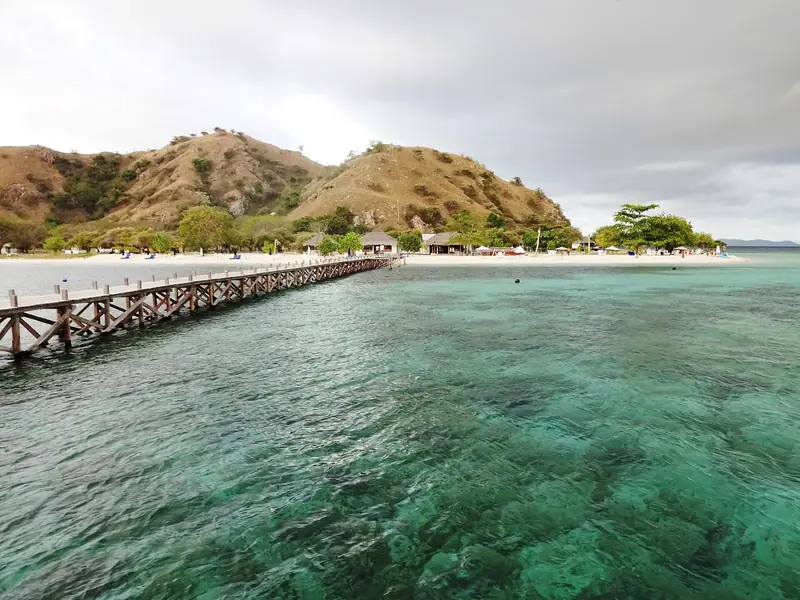
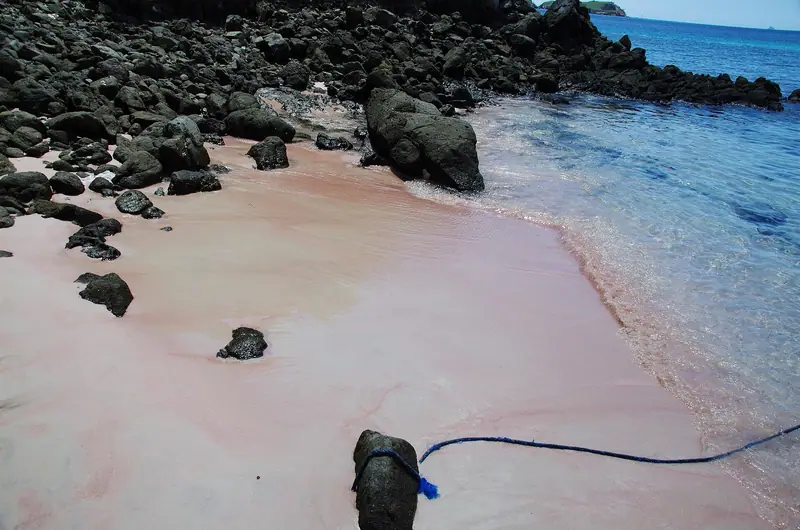
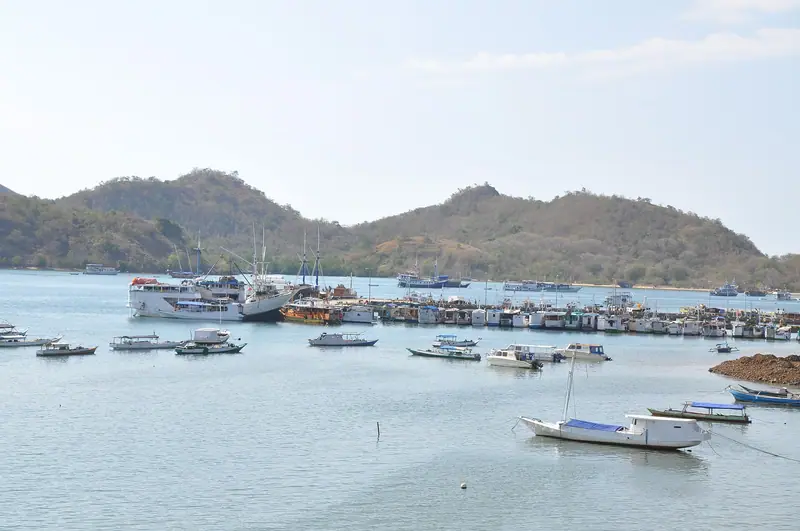
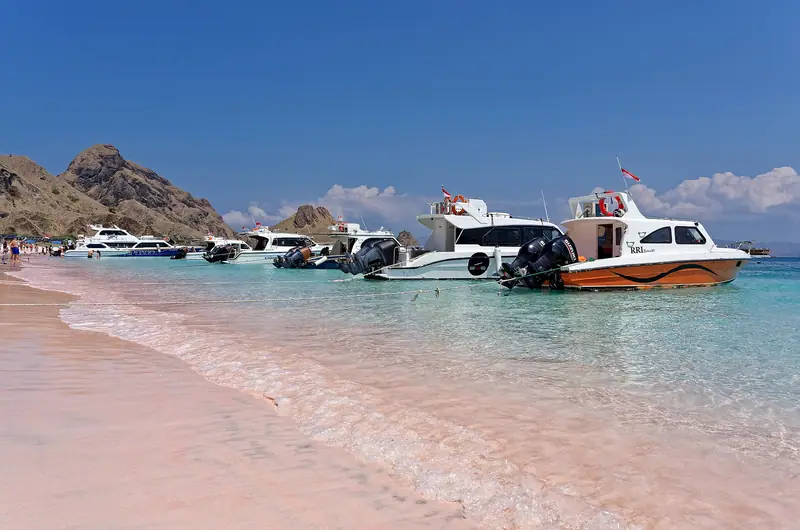
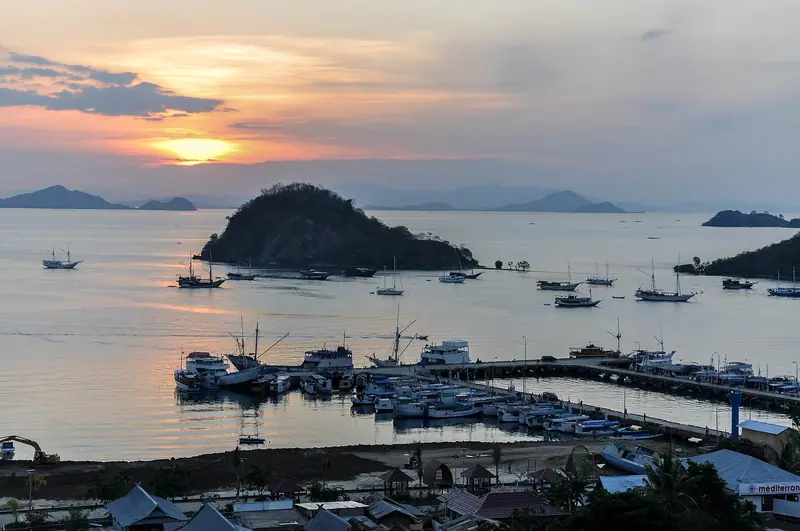
Three-day shared Komodo sailing trip with AC cabin
The extra night gives the itinerary room for smaller stops around the main park landings. The listing excludes a separate fee package and restricts the trip to swimmers.
Rinca is the dragon stop in this example. The sample route gives no cabin type
3 days / 2 nights2
Sightseeing sailing, cabin, meals and water stops
The sample offers an air-conditioned cabin and includes meals. Park fees are listed separately
3 days / 2 nights3
Shared cabin and advertised Labuan Bajo transfers
The base fare buys a shared berth. Transfers cover Labuan Bajo town hotels or the airport
The listed routes are examples, with different islands and cabin terms.Checked · Sources: 123
Count nights separately from days. A boat that leaves after hotel pickups and returns after breakfast can spend less time moving between islands than the trip name suggests. For each offered route, write down the first meeting time, the last landing, and the scheduled harbour return. Then mark the nights you need a hotel in Labuan Bajo. A cruise can replace town lodging on board without removing the need for a room the night before.
Read the itinerary in sections. The first leg often includes the harbour transfer, a briefing and cabin allocation. The middle of the trip is where the advertised viewpoint, beach and dragon walk have to fit between crossings. The last leg may end before or after lunch. A planned final swim can depend on the state of the sea. If the first or last day is short, that is a reason to pay more attention to the middle date.
Choose the landing
A day route and a cruise can both include Padar, Pink Beach and Komodo Island. The useful question is what changes on the longer boat. A night can give you a chance to be off Padar earlier, or let you stay near Kalong Island at dusk. Those are itinerary choices. Putting sleep on a boat by itself buys neither sunrise nor a visit to both dragon islands.
For a trip built around seeing dragons with a ranger, get the named landing first. Loh Liang is on Komodo. Loh Buaya is on Rinca. A two-day sample in the tourism notes uses Rinca and Kalong, whereas a separate three-day itinerary names Komodo Island and Pink Beach. Match the boat route to the island you want, then decide which water stops or evening anchorages are worth the extra night.
Book the right cabin
A place aboard and a private cabin are separate purchases. Have the seller write down how many guests your rate assumes and whether it includes a lower berth, upper berth or double bed. A bathroom described as private should belong to the cabin you buy. A shared bathroom may suit a shorter trip. Its position on the deck plan tells you how much of the vessel you must cross to reach it at night.
On a sale priced per person with double occupancy, solo travellers should request the total payable for their actual berth. A shared berth saves reserving the whole cabin if you are comfortable sharing it. The room type and who assigns cabin mates depend on the operator’s booking terms. A private cabin for a child and an adult depends on the beds the operator assigns and whether it publishes a different fare for children.
Look for the vessel name and cabin type together in the booking. A substitute boat may have a different room layout and electrical supply. The seller’s terms determine whether the cabin type or amenities carry over to the replacement. Cabin air conditioning can depend on which room the fare covers and when power is available. The power schedule determines whether cooling is available overnight, when you plan to use the cabin. Keep the written details with your itinerary instead of relying on photos of the vessel’s best room.
Meals and fees
Some trips include meals on board. The first and last meals named in the itinerary determine whether you need breakfast before pickup or lunch after disembarking. If the boat will be anchored overnight, have dietary requirements in writing before boarding. A short route’s snacks and drinking water may be described separately from its meals.
Add the park payments as a separate item. The sampled three-day sailing lists a foreign and Indonesian fee bundle, charged outside the base fare. The total for a different itinerary can cover a different number of days or set of activities. A price comparison needs to include the separate charges each seller publishes. Use the Komodo fee ledger to keep the boat rate, the park charges and the transport in town visible.
Shared or chartered
A berth on a scheduled sailing works for a traveller who accepts a fixed call time and a group itinerary. A charter lets your party give more time to a chosen landing or make an evening at Kalong the priority before a ranger stop at Rinca. A skipper can plan around your priorities before departure. The park still controls landing sessions and the crew controls what goes ahead when the sea changes. Choosing a charter for flexibility has less value if your main landing has no suitable session.
Compare the deposit, balance due and cancellation terms with the same party size and departure date. A cruise that sails an alternate route may have different terms from one stopped in port. A change to a dated landing also affects the park reservation. The boat safety guide covers departure clearance, life jackets and boarding.
Sightseeing or dive boat
The sightseeing examples sell island walks and snorkelling between meals and anchorages. A dedicated dive boat spends its day around the dive windows and runs by the experience requirements for the sites it plans to visit. A sightseeing boat with masks aboard does not have the same service or equipment. Start with Komodo day diving if you want several dives and a room on land. Use the published liveaboard itinerary if the cabin and offshore dive schedule are the attraction.
Where the boats anchor
The two-day listing calls at Kelor, a water stop, Rinca and Kalong. Read that as a group of places in the eastern part of the sailing area, with the mangrove stop requiring the crew to be there at dusk. The park map shows the main islands and these nearer stops. Get the first day’s actual order from the seller. A date on a booking gives you the day you board. It tells you less about the particular evening when the boat will be off Kalong. A weather change earlier in the day can affect how that evening is spent.
Three-day published examples include a broader set of islands. The order of stops determines whether Padar falls on the middle day or the return day. Pink Beach can mean Pantai Merah on Komodo Island or Long Beach on Padar. The Loh Liang ranger walk is a separate landing from Padar. Likewise, a search for mantas can involve a separate approach and water briefing from the sandbar stop. Nearby sites such as Taka Makassar and Karang Makassar can be easier to reorder than a timed Padar entry and a separate ranger landing. The captain also has to account for the time needed to cross between those parts of the park.
Time at anchor
Use the cabin when you need to rest and the deck when you want to watch the islands. At anchor, cabin ventilation, lights and charging can depend on the boat’s power supply. The cabin location also determines the steps or corridor between your bed and the bathroom. Look for a photo of the ladder or passage between the sleeping deck and the seating level. If stairs or a small step are already an issue ashore, the cabin location may be more important than the bed size.
Meals also give you a useful clue about the pace of the trip. Breakfast on the water can be on either side of a morning climb, and the main meal may coincide with a group swim or a longer run between islands. Meal times depend on when the boat is under way, when the group is boarding and how much time the crew has between landings. Dietary needs and a meal that cannot move need to fit those windows. Make the same arrangement for water and a shaded place to sit if you expect to skip a swim.
Before departure, agree on when the first briefing is and where you can leave your main bag. Put the dated park record, a dry set of clothes and valuables where you can get to them during a short landing. Leave sleeping-cabin space for the people sharing it with you. A smaller bag for landings also makes it easier to use the crew’s passenger transfer.
Good to know
Questions about Komodo National Park
Is two days enough for a Komodo cruise?
Yes for a route built around a few essential stops. A short example visits Kelor, Rinca and Kalong. Padar and Pink Beach are separate stops and neither appears on every short itinerary.
Can a solo traveller book a shared cabin?
Some listings sell places in shared cabins. A berth is one bed. A private cabin is a whole room, and a twin-occupancy rate assumes someone uses the other bed or pays for it.
Can I visit Rinca on a cruise?
Yes when the itinerary names a Loh Buaya landing and ranger walk. The park name alone does not say where you land. Loh Liang is the ranger site on Komodo Island and Loh Buaya is the ranger access on Rinca.
Do cruises include the park tickets?
It depends on the fare. One sampled three-day sailing advertises a separate three-day fee package. The park record is tied to the visitor and entry dates. The boat receipt covers the fare and any listed extras, which can include some charges made by the park.
How early should I arrive in Labuan Bajo?
For a morning boat, arriving the previous day leaves time for the onward transfer and gives you time to reach the boat even if the flight is delayed.