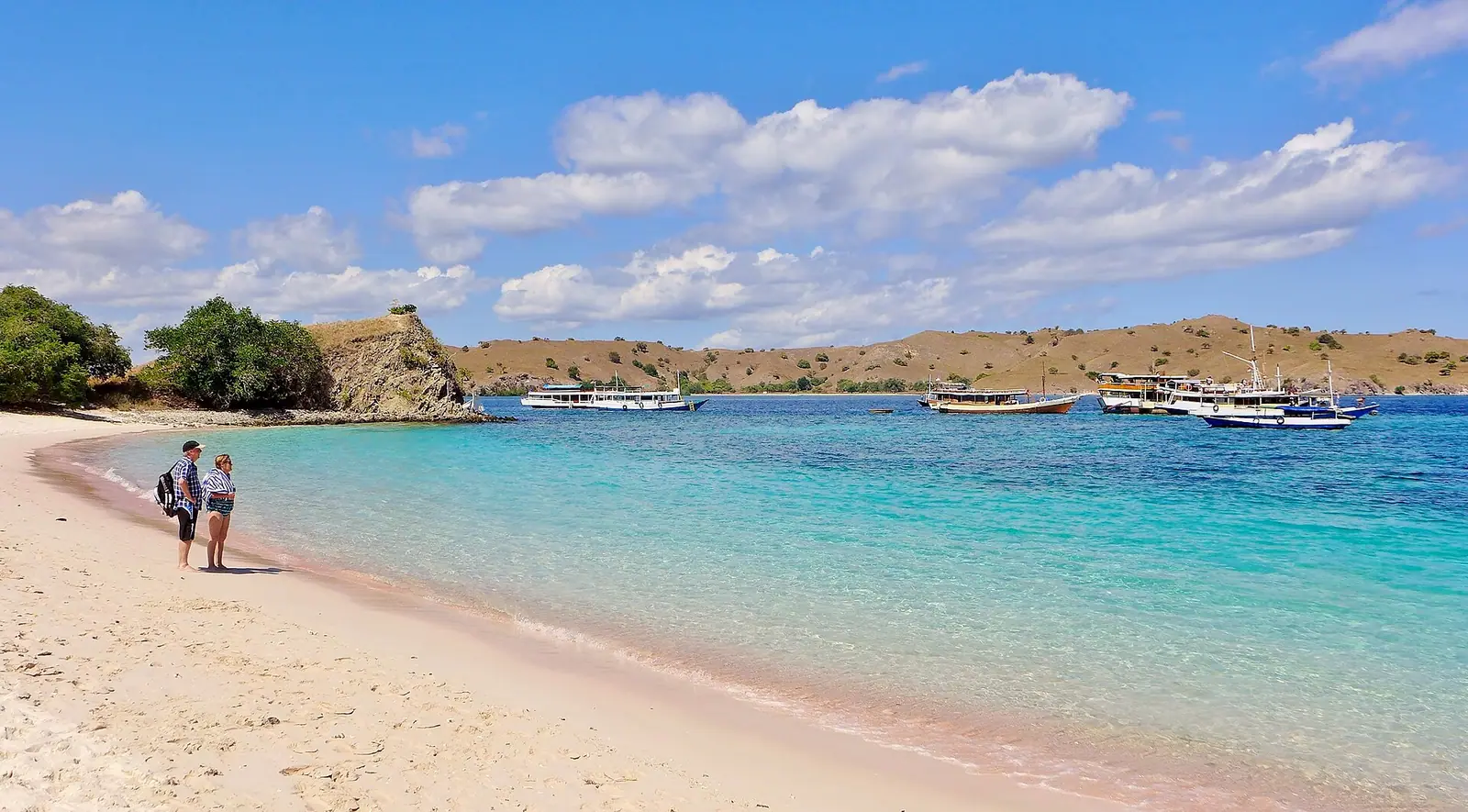
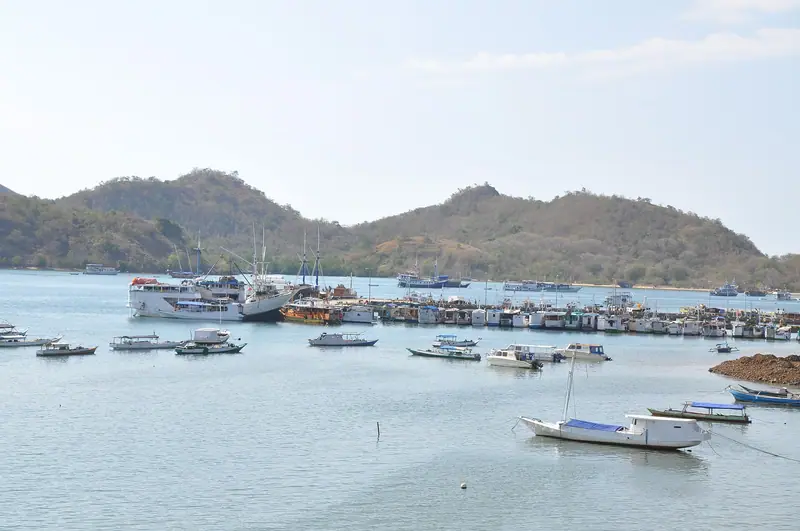
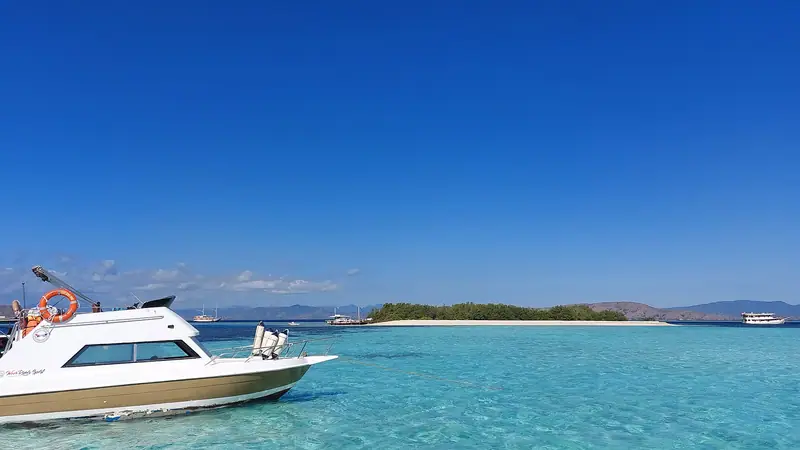
Pantai Merah is the name to use for the beach on Komodo Island. Tourism material often calls it Pink Beach or Pink Beach Labuan Bajo, because Labuan Bajo is where travelers start. That title can make it sound like a beach in town. You leave the Flores mainland by boat, and agreement on the name matters when comparing routes between islands.
Pantai Merah and Long Beach, from Labuan Bajo
What to check
Published detail
Pantai Merah1✓
Pink Beach on Komodo Island
Long Beach2
Separate coastal site on Padar Island
Speedboat from Labuan Bajo3
30–45 minutes estimated, variable with conditions
Local boat from Labuan Bajo3
1.5–2 hours estimated, variable with conditions
Permanent services4
Indonesia Travel describes no permanent cafés, hotels or commercial facilities.
Shore and reef suitability5
A 2022 study rated the site suitable for both beach visits and snorkelling.
Taking sand or coral6
Prohibited without written permission from the park head
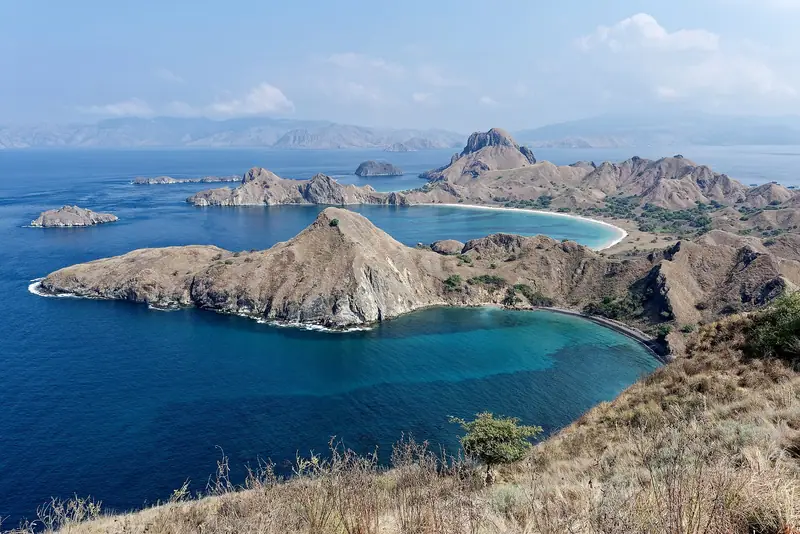
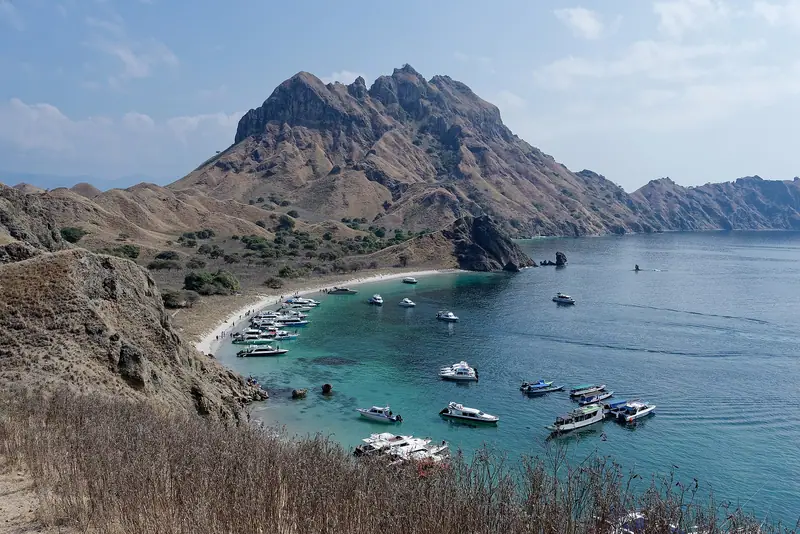
Komodo National Park’s 2022 visitor protocol lists Pantai Merah on Komodo Island and Long Beach on Padar Island as separate coastal sites. The older list is useful for the names, while the route for your date comes from the boat operator. A listing that says only “Pink Beach” can refer to either one. Pantai Merah and Long Beach are separate landings on different islands. Check it with the operator’s route map or its description of the stops before and after. A reference to Padar in the same boat listing could be to the viewpoint, the beach, or two separate landings.
A boat that goes ashore at Pantai Merah lets you wade from the beach. A reef visit from the boat can give you a swim in the same area without time on the sand. A photo stop or swim from the vessel can keep you off the shore. The dragon walk on Komodo Island begins at Loh Liang. Choose a boat listing both Pantai Merah and Loh Liang for the two stops on one day.
The crossing from Labuan Bajo
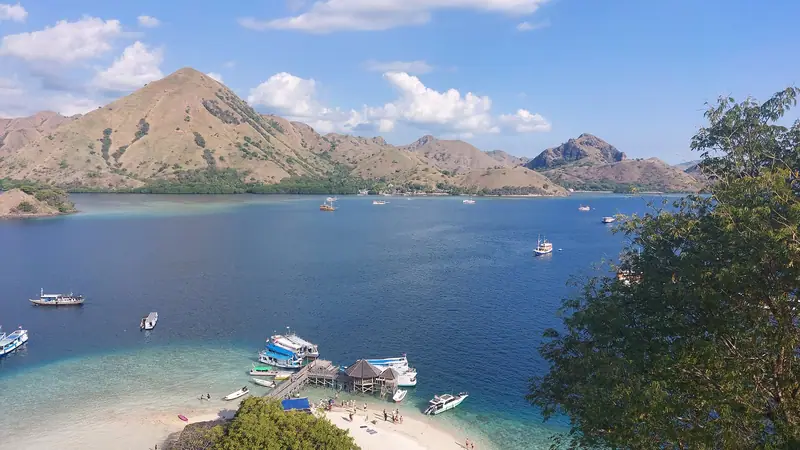
Indonesia Travel’s Indonesian-language guide gives an estimate of 30 to 45 minutes by speedboat or one and a half to two hours by local boat from Labuan Bajo. Those are planning estimates for the journey to the beach. If an itinerary lands at South Padar for the viewpoint first, the point of departure for the beach leg is already in the park. The actual time you’ll be on the shore depends on the stop order, sea conditions and how the crew transfers guests from the boat.
A day trip from Labuan Bajo can combine the beach, a viewpoint and a ranger walk, with additional stops on the water. A long beach visit needs a sailing that leaves time after landing and before pickup. On a circuit with Padar and a ranger station, the beach uses only part of the advertised day. More time listed at the site can mean more people to transfer as well as more time on the sand. A trip with a different order or fewer stops may provide a more useful visit than the longest advertised list.
What you want from Pantai Merah
What the crew needs to run it
Walk on the coloured sand
The boat lands guests and the stop includes time ashore
Stay dry while others snorkel
The crew can transfer you without a swim or has somewhere aboard for you to wait
Snorkel over the reef
How you enter, where the guide will take you and how you reboard
Do a dragon walk on the same trip
A park entry at Loh Liang and time for a separate beach landing
A shore landing can depend on where the vessel can put people in safely. Tall ladders, a step across to a tender or wading can make the same beach unsuitable for different passengers. An operator may change the transfer or leave the beach out if the water is too rough. If the crew offers to let you remain aboard, agree what happens while the vessel is moving or waiting for snorkellers.
What colours the sand
The colour comes from a mixture. Indonesia Travel describes pale sand and reddish material associated with the reef and microscopic foraminifera. Seen across the bay the beach can look pale. At the waterline, look for the tint in the damp strip or examine the concentration of red specks alongside paler grains. Photograph the foreshore with a piece of the hillside or water in the same frame if you want to show how subtle the colour is. Strong colour from a photo filter makes it harder to judge what you’ll see in person.
Sun, clouds, wet sand and the angle you see the shore from all change how pronounced the colour appears. Clear skies can light up the shallow water, while cloud cover can soften the contrast across the sand. Pantai Merah belongs to the Komodo Island side of the itinerary, while Long Beach identifies the Padar stop. Keep that name with the other landings on your route.
Komodo’s visitor protocol prohibits taking sand and coral without written permission. Leave the grains and any detached reef fragments where you find them. Take your litter back to the boat, follow the guide on where you can move around, and give any wildlife space. The park also prohibits touching or getting too close to animals on land and in the water.
Snorkel or stay ashore
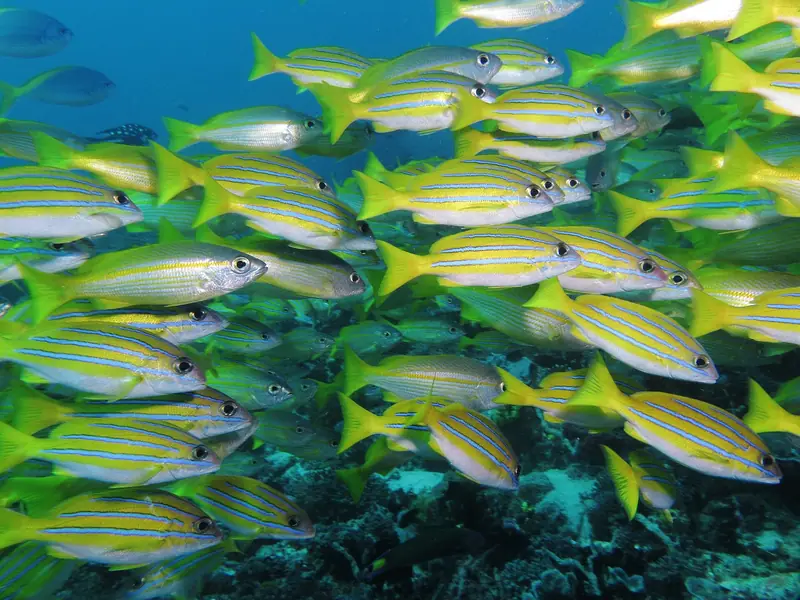
The reef around Pink Beach is part of the reason the stop is popular with boat trips. What you can see will depend on the day’s water. The crew should tell you where it will put snorkellers in, how long it can supervise you, and whether you’ll finish at the same point or return to the boat somewhere else. Choose the shore if the water entry is more than you want to manage. Read the Komodo snorkelling guide to compare Pink Beach with more exposed water stops.
If you plan to follow others into the water, check that your own mask and flotation fit before the boat starts moving between islands. Listen to the guide’s instructions about the area to stay within, and keep your fins above coral. A stop may start in a sheltered-looking bay and include a different return approach aboard the vessel. The guide chooses the entry and exit for each swim. The scenery seen from shore alone cannot tell you the best entry or exit at that moment.
If you prefer to sit out a snorkel, decide whether the priority is being on the sand or staying with someone else in the party. There may be no fixed shade, and Indonesia Travel describes the area as lacking permanent commercial facilities. Use the boat for drinking water or supplies and bring your own sun protection ashore. Toilets may be on the vessel, so use them before leaving if needed. The crew’s reboarding point can be different from where you enter the water. A Taka Makassar sandbar stop can look similar in photos, but its dry sand changes with the tide, making it less predictable as a place to wait ashore.
Shore and snorkel capacity
A 2022 Universitas Hasanuddin study assessed Pink Beach for two kinds of visit, time on shore and snorkelling. The study rated the site suitable for both uses, and its estimated ecological carrying capacity was lower for snorkelling than for beach visits. Those are research estimates for the site, separate from boat capacity or the park’s reservation allocations. The guide chooses where swimmers can enter and regroup. Other boats and swimmers can reduce the space open to the group. Where several boats have arrived, the crew may organize its own entry area and wait before putting people in.
If you have a choice between taking pictures, walking the beach and snorkelling, decide what matters before the boat arrives. Budget the time to take out your shoes or put on your gear, and then to put it away again. Have the crew tell you whether you can do both in your stop and how to return to the boat if the swimmers and walkers finish at different points.
Plan around the conditions
If the colour is the priority, plan to spend some of the stop looking at the sand from nearby. A photo from the boat on a bright day may capture the colour of the water better than the colour of the shore. A late stop can be pleasant with less heat, though it may change the light on the sand. From dry sand you can frame the hills, while at the waterline you can photograph changes in the colour of the wet sand. Keep to the area staff open for visitors. An accessible section of sand by the landing does not open the rest of the shoreline.
For a snorkel, the guide assesses conditions in the bay before sending people in. The pickup may be at the beach, a ladder or a tender, depending on where the entry starts. On a day when the water is unsuitable, keep the shore visit if the landing is possible, or agree on another stop. For mixed groups, the useful piece of information is whether this vessel can supervise snorkellers and look after those ashore or aboard at the same time. If a crew can’t do both on a given day, a planned beach-only break can still deliver the main reason to visit Pantai Merah.
Good to know
Questions about Komodo National Park
Is Pink Beach on Komodo or Padar?
Pantai Merah is on Komodo Island. The park lists Long Beach on Padar separately. Boat itineraries may call the Padar stop Pink Beach or Long Pink Beach. If the name appears next to the Padar viewpoint, look for the island on the itinerary before booking.
Why is Pink Beach pink?
The pale sand contains reddish material from the reef. Indonesia Travel links the red colour to microscopic foraminifera. At the beach the tint can look subtle and varies with light and wetness.
Can I visit Pink Beach without snorkelling?
Yes, if your crew can get you ashore in acceptable conditions. Agree before booking how they transfer guests to the beach and where you can wait if you prefer to stay aboard.
Can I take sand from Pink Beach?
Leave it where it is. The park prohibits taking sand, coral and other physical material without written permission from the park head.
Are there cafés or hotels on Pink Beach?
Indonesia Travel describes Pantai Merah as free of permanent commercial facilities. Bring water with you from town or take it from the supply on the boat. Services on the beach may be limited and the boat can move during the stop.