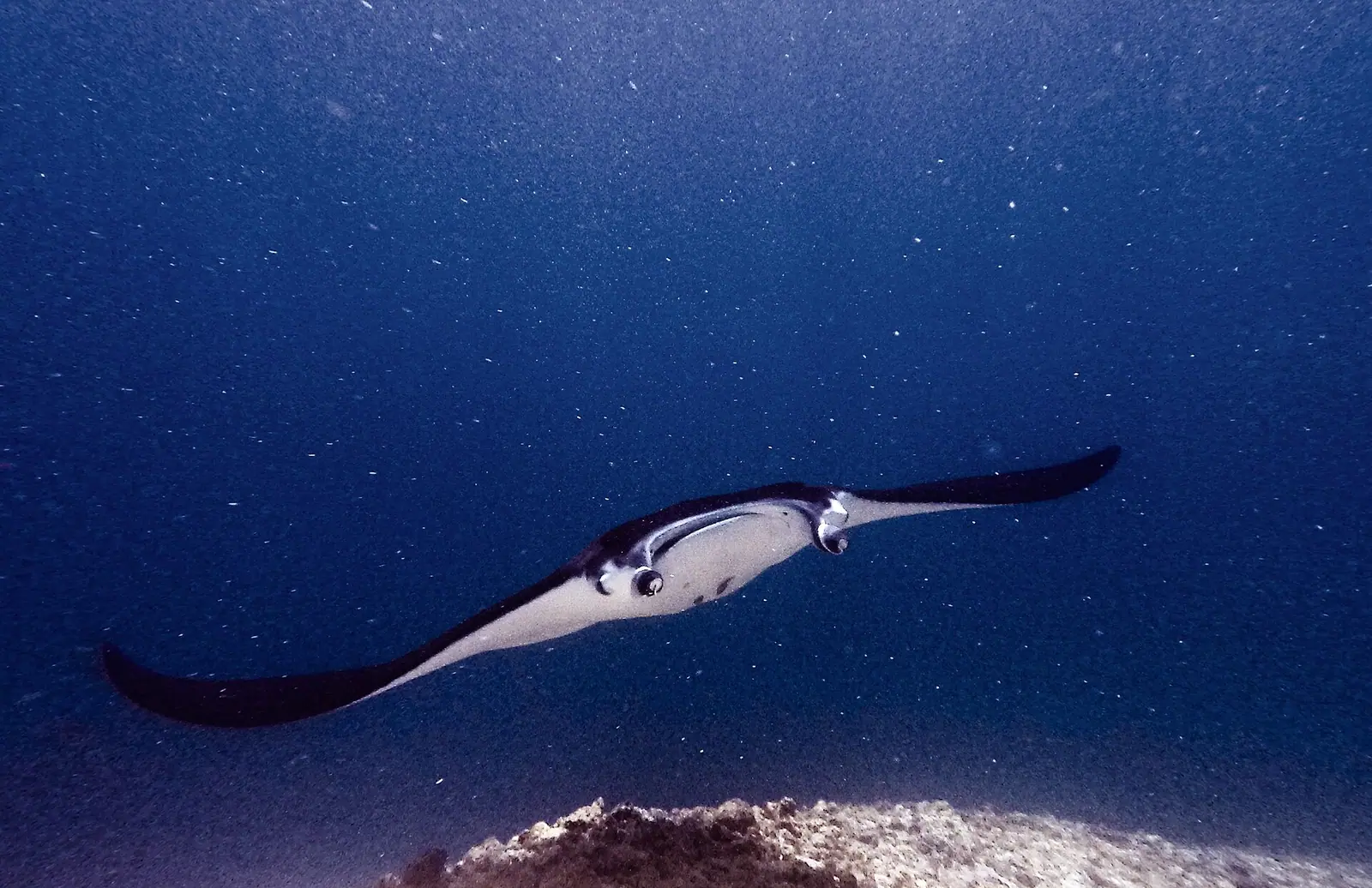
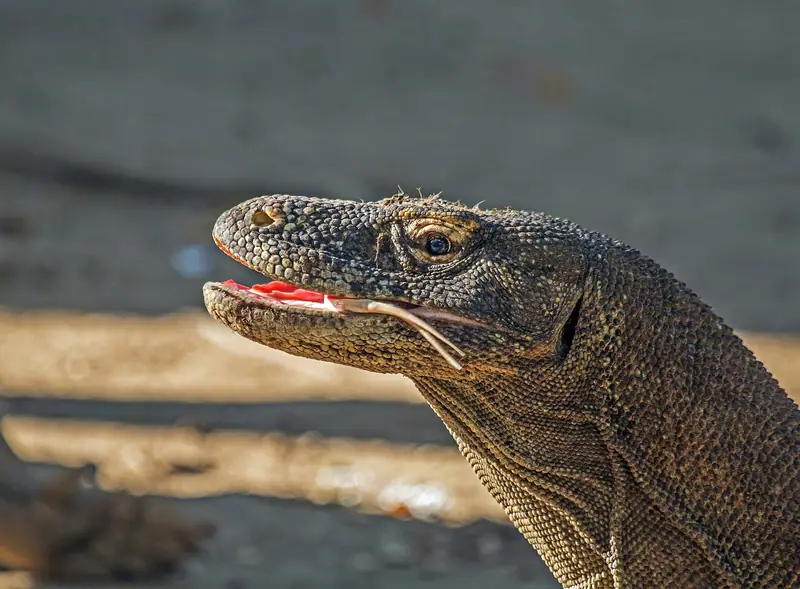
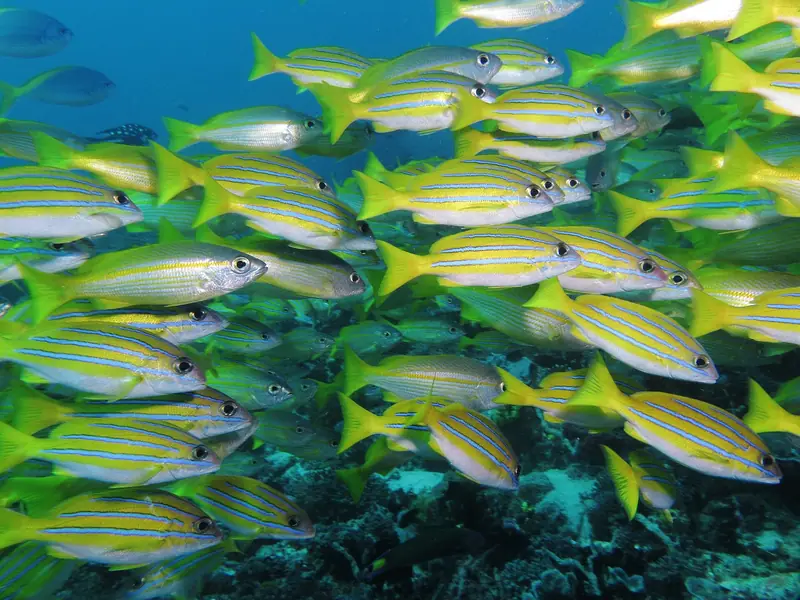
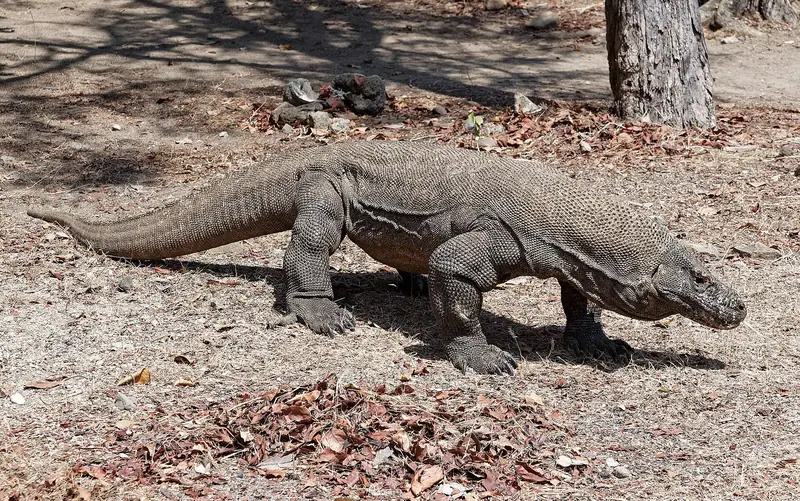
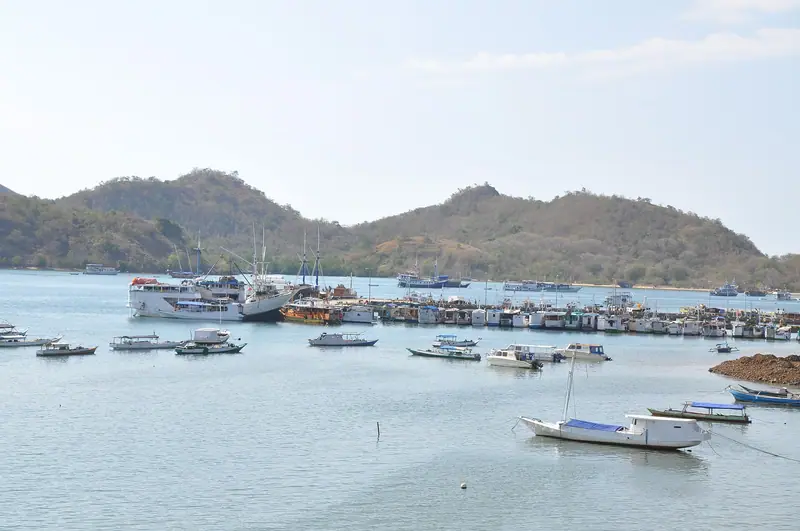
The shared day boats list Manta Point during the main island circuit. The private cruise puts it on day three, after the ranger walks on Rinca and Komodo Island.
We may earn a commission if you book through these links, at no extra cost to you.
The common central stop is Karang Makassar, which shows up as Makassar Reef, or as Manta Point, on tour pages. It is the offshore site where boats look for mantas before deciding whether to put swimmers in. Mawan is another central site with an island and reef. Manta Alley is farther south, off Komodo Island. The named site and the activity together tell you what is planned. The same reef name can appear on a guided surface swim and a dive itinerary.
Taka Makassar is a nearby exposed patch of sand. It takes its own landing decision. A listing might group it with the manta search, cross the area without beaching, or describe a separate stop. The Taka Makassar sandbar guide explains what the crew needs for the landing. If you have limited time, get the captain’s intended route and the substitutions separately.
Three commonly named Komodo manta sites
Site
Setting reported in the study
Individuals identified
Karang Makassar
Central park, cleaning and foraging habitat
749
Mawan
Central park, reef and cleaning habitat
535
Manta Alley
Southern Komodo Island waters, cleaning and foraging habitat
376
Core records January 2013 to April 2018. Individuals moved between sites, so the counts overlap and cannot be added. They neither represent the current population nor predict a sighting.Checked · source
What divers report
The researchers identified individual reef mantas by their markings, with most records submitted by people visiting the sites. They could tell when an animal photographed at one site appeared at another site on a later dive. Many of the animals were seen more than once. The data support the importance of all three reefs in the table and show that assessment needs to account for how often people could reach and survey each site.
The study describes both cleaning and feeding behaviour. A cleaning station is an area around a reef where smaller fish remove parasites from the rays. A manta can return to a station used before, or pass through it on its way elsewhere. During a snorkel you might see an animal from above or see none during your stop. Those different results can happen at a site with a long record of manta activity.
Data at a central site and a southern site come from different visits under different conditions. These are records of where named individuals were encountered, so they give a longer view than a crew’s report from its last trip. They can tell you if they have been able to visit the site recently and what would make it suitable today. A claim that a single calendar month covers every site equally skips those differences.
Entering from the boat
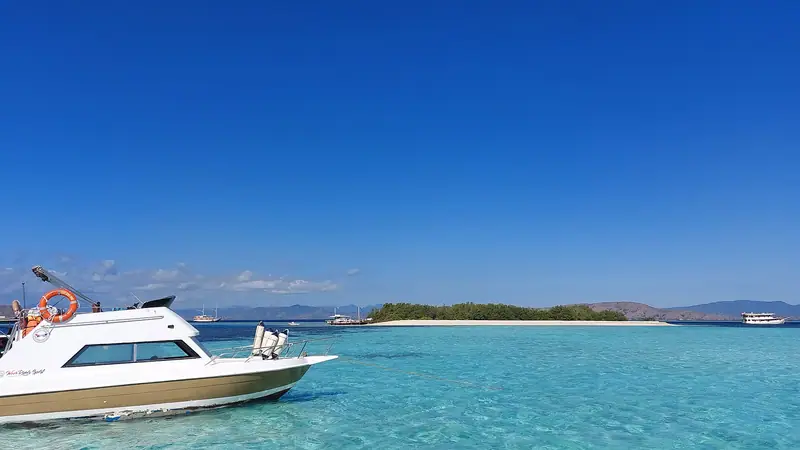
At an offshore stop you may enter from the boat and return there, with the crew briefing the group about where to wait and how the boat will collect swimmers. Strong current can move or cancel a planned surface stop on the day of the trip. The guide supervises the entry and explains where to wait in the water for the boat. The vessel’s layout determines how swimmers use a ladder or tender to get back aboard, and sets which flotation can be provided. If you have only swum in a pool, say so before you pay and again before the briefing.
The questions are different for a dive boat. An instructor or divemaster can use a site with less current if the conditions at a manta reef exceed the group’s skills. Buoyancy and the ability to enter and exit as a group matter at a drift site. The diving options from Labuan Bajo explain how to book for different experience levels. Travelers who plan to stay aboard can check shade and space in advance using the guide for non-swimmers.
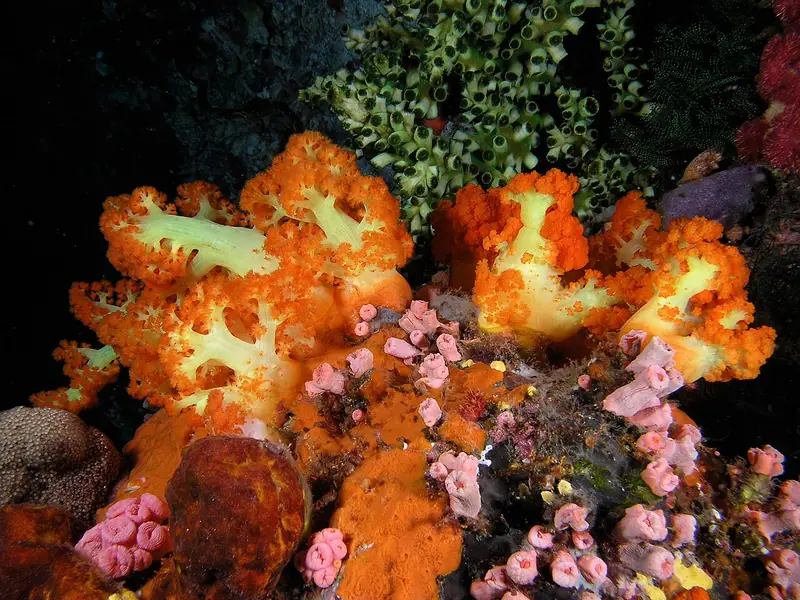
Follow the park and crew’s instructions about space around animals. Let a manta choose its path and leave room for it to leave a cleaning area. If several groups reach a site together, the crew can assess whether there is room to put another group in safely. Reef habitats are part of why the stops are included. Keep fins clear of the bottom and avoid holding a coral head to steady yourself.
Choose a backup stop
If you want a chance of seeing a manta: a named manta reef is a better starting point than a combined sandbar stop. A second pass depends on whether the boat has time to wait and whether the water is still suitable. A sightseeing route with a tight run of stops gives it less room to do that.
If you want to practise snorkelling: Siaba Besar is a sheltered option that can suit a short first swim. Offshore water at a manta reef can require a move to a site with a simpler return to the boat. Use a day dedicated to snorkelling if enough time in the water matters more than shore stops. A dedicated boat plans around that activity, and the guide can describe the expected entry, the surface route and how your group will be watched.
If you just want the boat ride: a named manta site can still be a pleasant place to stop, with a deck view across the water. The boat view depends on how close the rays come to the surface and the light on the water. The length of the wait can also depend on how far the boat needs to follow the swimmers for pickup. Use that time to decide whether the stop suits your group.
Good to know
Questions about Komodo National Park
Is there more than one manta site in Komodo?
Yes. Karang Makassar and Mawan are central sites. Manta Alley is in the south, off Komodo Island.
Is a sighting guaranteed?
No. Mantas move among sites, and the crew can omit a stop if conditions are unsuitable.
Can I stay on deck at Manta Point?
That depends on the trip’s passenger rules and where the vessel can keep a clear, shaded place for you during the swim. Check whether they take non-swimmers on the trip and whether the boat has a shaded place to wait.
Are the sandbar and Manta Point the same stop?
Some itineraries group Taka Makassar and Karang Makassar together in one description. The sandbar is a tide-dependent landing. A guided swim at the manta reef is a separate activity and depends on the current and boat pickup.