Count the shore nights
The season and marine forecast help you decide whether your itinerary needs a spare night in Labuan Bajo. The same spare day can be used for the harbour or a town outing if the boat runs as planned.
| Calendar days | Park plan | Nights to price | Main dependency |
|---|---|---|---|
| Three days | Arrive, take a day boat, depart | Two Labuan Bajo nights | Early pickup on the middle day |
| Four days | Arrive, book day boat, keep a reserve, depart | Three Labuan Bajo nights | Seller and park able to move the booking |
| Five days | Arrive, take a three-day cruise, depart | Two boat nights and two Labuan Bajo nights | Outbound sailing day and final disembarkation |
| Five days with a day trip | Arrive, take a day boat, use two additional days, depart | Four Labuan Bajo nights | Different activities or a usable second attempt |
Calendar days begin with the date you reach Flores. Boat days start when the scheduled itinerary begins. To see where those numbers come from, put each overnight stay into a calendar first. Then write the boat’s actual departure, the dates on which it hopes to land, and when it expects passengers to step back onto the pier. If you arrive on Monday and board a three-day, two-night cruise on Tuesday, nights aboard are Tuesday and Wednesday. Disembarkation is on Thursday. A Thursday hotel and Friday departure make five calendar days and four nights.
See actual route shapes
| Boat and duration | Published route or timing | Difference when you plan |
|---|---|---|
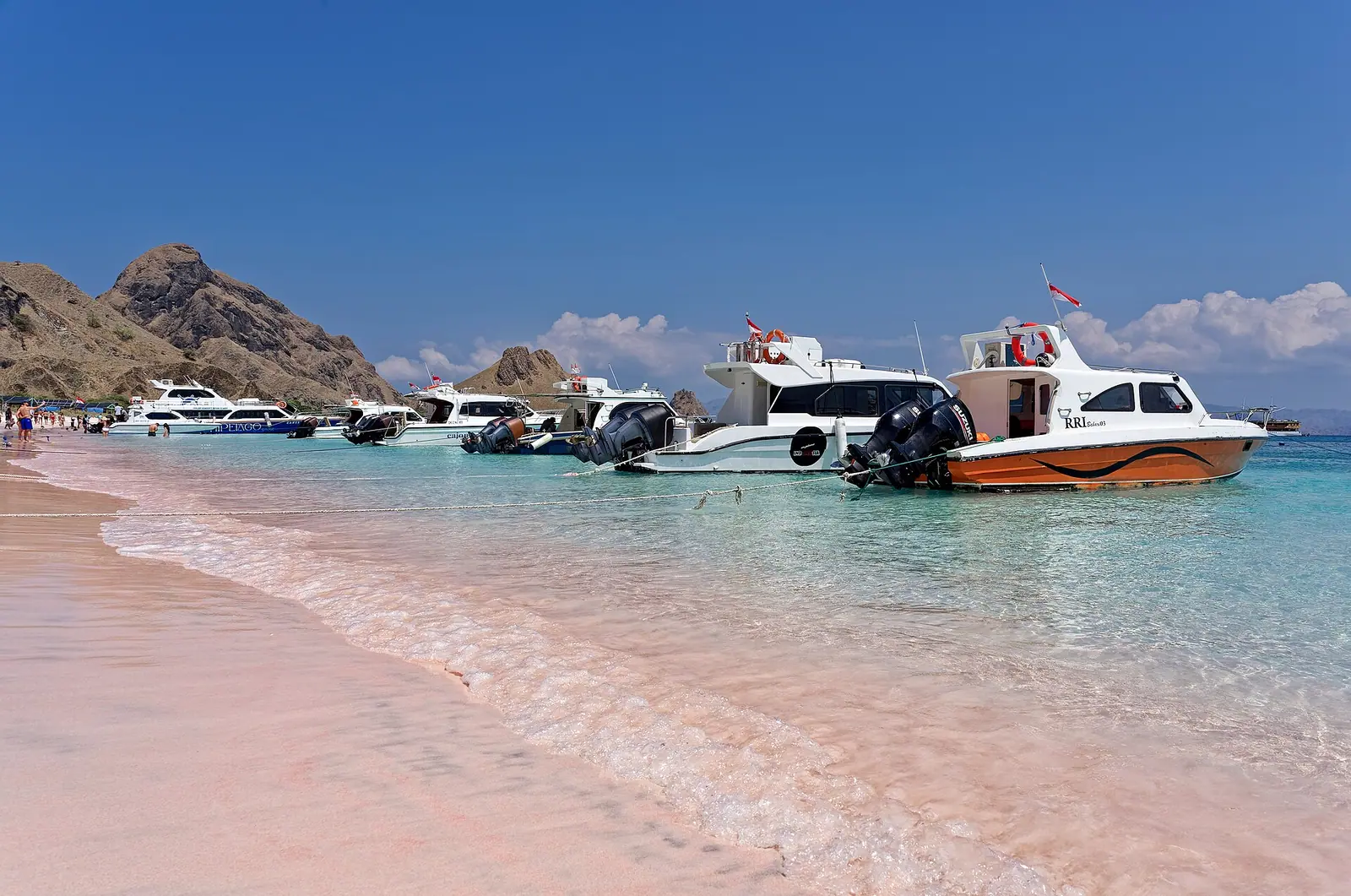
| Komodo Wild shared speedboat1 | 07:00–16:00, with Padar, Pink Beach, Komodo and marine stops | One full park day, room nights ashore |
| Ayvara three days and two nights2 | Kelor and Kalong on day one, Padar and Komodo on day two, Sebayur on day three | Uses two nights aboard and places multiple main stops on day two |
| Komodo Dreamland three days and two nights3 | Day-three trip ends around 11:00, with airport transfers for flights after 15:00 | The seller’s cutoff applies to the planned boat return. A late boat can cut into the airport buffer |
The sample day boat runs from morning to afternoon according to the published schedule. The overnight routes list their own order and can move stops based on field conditions. Compare time ashore as well as the list of locations. A single busy day of an overnight cruise can include the same headline stops as a full day boat, with other days used for different islands, sunsets or a shorter snorkel. Inspect the order if your party prefers to space out time on land.
An advertised early stop on an overnight boat needs a workable landing or session. A missed South Padar session can shorten the route or move the boat on to the next landing. A different day requires a park slot for the replacement date. A private boat may give more say in the itinerary, but the crew still needs a safe access point and a reservation where required. The operator sets the time passengers must be back aboard. The window ashore has to fit the climb, beach time or any extra boarding time your group needs.
Shape the day trip
For three calendar days, arrive in Labuan Bajo on the first and take a shared or private boat on the second. Compare day trips by ranger station as well as by the other stops. A dragon walk at Loh Liang on Komodo Island or Loh Buaya on Rinca depends on the island named in that departure’s park plan. For an early flight on day three, arrange morning transport from the place where you stored your luggage. If you split a booking across hotels, allow time to reach your departure lobby with the bags. A day with fewer destinations can be a better match if your main priority is a certain landing and you want time there.
With four calendar days, keep the third day usable until the first park departure goes ahead. If all goes to plan, you can spend the spare day on land or plan a second activity with different conditions and priorities. Avoid a second boat holding a deposit on that date unless you can change it when you need your reserve. A second long sightseeing boat may repeat most of the first one. A second trip adds more to the itinerary if it goes to a different island or sets out for a different activity.
Shape the overnight trip
Start with the advertised departure rhythm and work outward to flights. Ayvara publishes weekly open trips from Friday to Sunday and Monday to Wednesday. If the sailing is tied to a particular part of the week, a flight you already hold may add a shore night or rule out one itinerary. Compare overnight cruises by the cabin you are offered, when the boat returns and what the operator does if conditions disrupt a route.
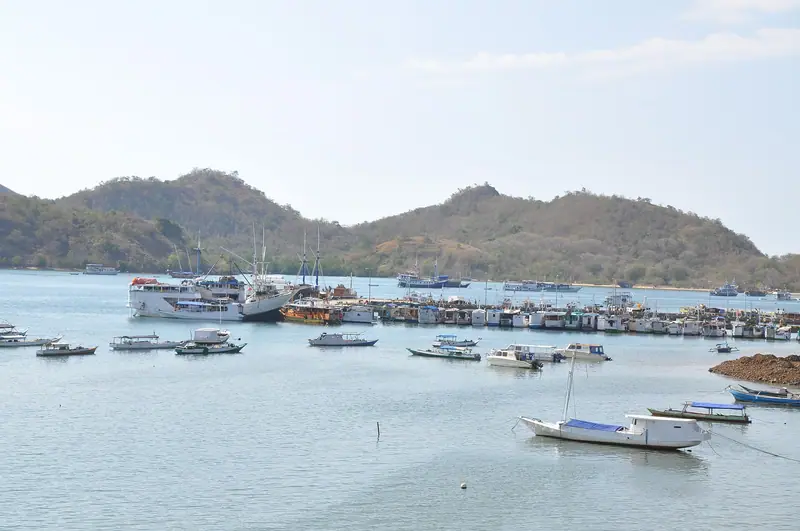
Write down the nights you will spend aboard and the nights you will have a shore room. Pick where to stay in Labuan Bajo based on pickup for the first morning and storage while you are out. If you use different properties before and after sailing, agree who holds your larger bags and when you get them back. A late return can leave time still needed to disembark and reach the next room. A harbour hotel cuts the transfer time if the boat uses a nearby drop-off.
Put deadlines in order
Hold the least flexible part first in the planning calendar. A cruise with two advertised departure days a week uses a different constraint from a shared day boat that advertises departures each day. Compare the dates with the cabin nights and required park days. A three-day voyage with two nights aboard still leaves the night before boarding for you to arrange in town. A room available only for different dates cannot make a boat work. A room with free cancellation gives you a usable option only if the hotel’s deadline falls after the decision on the sailing you want.
On the sample three-day Komodo Dreamland trip, the operator quotes an arrival around 11:00 and airport transfers for flights after 15:00. That is a published planning condition for that boat. A later snorkel pickup or slow disembarkation can move the harbour arrival after the itinerary time. A flight the same evening leaves little room for either delay. If an afternoon flight is also the last useful onward connection, a shore room gives the boat time to return before you need to reach the airport on another day.
Hold the high priorities
Choose one non-negotiable purpose for the planned park day. For a dragon walk, Loh Liang and Loh Buaya give access to different trails. A replacement ranger station changes which island you visit, the sailing time and the walk on land. South Padar uses timed sessions. The boat has to reach the pier during the entry window and leave enough shore time for both the stairs and the descent. For a water activity, the crew decides whether the current allows safe entry, and its deck policy determines whether a guest can stay aboard. Work out what makes your day worthwhile if the route loses one of several stops.
The park entry record should show the date and landing for each park day, including the timed session for South Padar. Keep it with the sailing reservation, boarding instructions and the phone numbers for the boat and your shore transfers. Before buying a tight onward connection, get the likely disembarkation time, time to collect any stored bags and the airline’s reporting deadline at the airport. For a late docking or an early flight, a shore night gives you a less fragile itinerary. When the captain or port changes plans, the hotel and airline still apply their own deadlines to the room and onward flight.
Arrival and cabin nights
A three-day sailing has nights aboard but leaves Labuan Bajo on its first day. If you fly in after its reporting time, you miss the beginning even though your flight and boat share a date. For separate flight and boat bookings, reserve a room for the previous night. Hotel luggage hours decide whether you can drop a bag early or collect it after the boat. On return, decide whether you want a second room night or enough flexibility for a changed boat schedule. Include those shore nights when comparing the cost of a day boat against a longer sailing.